A Practical Guide to Hotel Pillow Shams: Design, Materials, and Maintenance
A thoughtful hotel pillow sham does more than dress a bed; it frames the guest experience, echoes brand standards, and endures the rigors of repeated laundering. In this guide, we explore the role of shams in hotel room presentation, examine materials and construction methods used by leading bedding brands, and lay out best practices for care and maintenance that keep ensembles looking pristine over time. We also introduce three influential figures who have shaped bedding aesthetics and textile integrity across different eras, illustrating a lineage of craft, comfort, and meticulous attention to detail.
Design Essentials: What Makes a Sham Hotel-Ready
In hotel rooms, pillow shams serve as a finishing touch that communicates care and sophistication. They are not merely decorative; they contribute to the optical balance of the bed, protect pillow inserts, and provide a tactile layer that enhances the overall guest experience. High-quality shams balance form and function—clean lines that align with duvet covers, refined embroidery or flange details, and durable stitching that withstands nightly laundering cycles.
Key design elements to consider include the following:
Fabric choice: Percale for crisp, matte finishes; sateen for softer, more luminous surfaces. Both fabrics are common in hotel-grade linens and are selected for their balance of hand feel, durability, and ease of care.
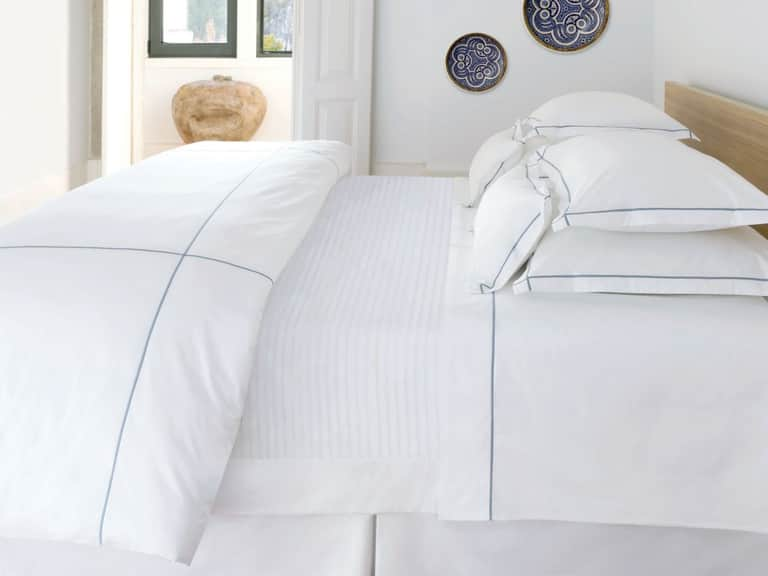
Embroidery and trim: A restrained embroidery or piping can elevate a sham without overpowering the bedding. Embroidery lines, cross-stitch corners, and subtle borders are signature touches used by brands like Signoria Firenze, Bovi, and Sferra to signal craftsmanship.
Construction details: Knife- or plain-edge finishes, hidden zippers or envelope closures, and reinforced seams extend the life of shams under frequent washing.
Fit and compatibility: Shams should align with pillow inserts and duvet covers in size and proportion. Hotels commonly pair standard or king pillow shams with corresponding duvet covers to maintain a cohesive bed presentation.
In the context of Hotelsheets.info's Direction A framework (Hospitality Operations Knowledge Hub), pillow shams are positioned as a key component in the visual storytelling of a hotel’s interior. The goal is not only to look inviting but to function reliably within the operational routines of housekeeping and maintenance teams.
Materials and Construction: What Brands Prefer
Hotel shams across the industry tend to favor fabrics that hold up under repeated washing, resist fading, and deliver a crisp, clean hand. The most common materials include 100% cotton percale and 100% cotton sateen, with blends that incorporate fine fibers for elasticity, moisture management, and durability. The following material profiles reflect the supplier ecosystem described in our repository and catalog:
Percale: A matte, crisp finish with a cool hand. Hotels often choose percale for its refreshing feel and the way it holds a structured look after laundering. The 200–300 thread-count range is typical, balancing breathability with reinforcing weave stability.
Sateen: A smoother, silkier surface with a soft glow. Sateen can enhance perceived luxury, especially when paired with refined embroidery or accent trims. It tends to be more forgiving with color retention after multiple washes.
Embroidery and trims: Finishes like single-line embroidery, subtle cross-stitch corners, and coordinated piping are common. These details are often applied by premium brands (e.g., Signoria Firenze, Bovi, Sferra) to convey a sense of timeless elegance without compromising durability.
Closure considerations: Envelopes or concealed zippers minimize fabric disruption and protect inserts from snagging, while maintaining a sleek silhouette under the duvet cover.
Consider this practical example from the reference catalog: the Bovi Classic Hotel Duvet Covers and complementary pillow cases include a refined single-line embroidered stitch with cross-stitched corners, delivering a tailored look that remains discreet when paired with shams. The focus is a cohesive, hotel-grade presentation that also withstands the rigors of housekeeping schedules.
From a design and operations perspective, the synergy between fabric choice and finish determines how long a sham remains visually fresh between deep cleans. Materials that resist pilling, hold color well, and dry quickly contribute to a lower lifecycle cost for hotel operators and a consistently high-standard guest experience.
Care and Maintenance: Keeping Shams Pristine
Maintenance routines for pillow shams mirror those used for other hotel linens but require special attention to embroidery and trimming. Correct care extends the life of the fabric, preserves color, and ensures a crisp finish that guests expect from premium accommodations. The following best practices apply to hotel settings and well-informed home use alike:
Washing temperatures: Use warm or cool cycles as specified by fabric care labels. Central to hotel practice is avoiding high-heat cycles that could cause shrinkage or embroidery stress. For cotton percale and sateen, a warm or cool wash typically preserves hand feel and fit.
Detergent and additives: Non-bleach detergents without harsh optical brighteners help maintain fabric color and fiber integrity. Avoid fabric softeners if possible, as they can reduce sheet absorbency and affect the crispness of percale finishes.
Dye and colorfastness: When laundering shams that feature embroidery or trims, tests on a small hidden area before full cycles can prevent color transfer or thread fraying. Use color-safe detergents and separate loads by color where feasible.
Drying and finishing: Tumble dry on low heat or line dry when practical. Ironing on medium heat can restore crispness for percale, while sateen requires gentler handling to avoid crushing the nap of the fabric.
Storage and rotation: Rotate pillow shams with seasons or guest flow to distribute wear evenly. Store clean shams in a dry, ventilated space to prevent must or mildew.
Professional maintenance: In large properties, consider routine professional bedding care to test thresholds of embroidery stability and to monitor stitching quality over time.
Maintenance is a critical axis of the hospitality identity that Hotelsheets.info champions. The institution of careful care protocols aligns with our editorial mission to provide practical, actionable guidance, anchored in credible brands and field-tested practices.
Three Key Figures Across Time: A Thread Through History
To illustrate the enduring lineage of hospitality textiles and design, consider three influential figures who left indelible marks on the way we think about hotel bedding—from fabric development to aesthetic standards.
1) Hypatia of Alexandria (c. 370–415 CE) — The Early Weaver of Knowledge
Hypatia, a scholar of mathematics and philosophy, is a symbolic figure here for the ancient lineage of rigorous inquiry that underpins any modern discipline. While not a textile designer, her emblematic role in the pursuit of clarity and truth mirrors the disciplined approach hotels now apply to fabric performance, thread counts, and weave quality. Just as Hypatia advanced logic and reason, today’s hotel operators advance standards—thread counts, fabric weave, finishing processes—that yield consistent guest experiences across properties and brands.
2) Florentine Master Weavers of the Renaissance (14th–16th centuries) — The Craft of Precision
The Renaissance period in Florence, with its lineage of extraordinary textile artisans, offers a rich precedent for modern bedding crafts. These master weavers, who produced sumptuous fabrics and exemplary embroidery, laid a foundation for durable textiles and refined finishes that endure in today’s premium sheets and shams. Their legacy resonates in contemporary brands that emphasize embroidered lines, multi-directional textile integrity, and careful attention to thread density—qualities that help hotel shams retain their shape and aesthetic after countless laundering cycles.
3) Lella Lombardi (1945–1992) — A Modern Standard-Bearer in Design and Operational Efficiency
Lella Lombardi, a pioneering figure in design and modern production thinking, symbolizes a shift toward combining aesthetic value with operational feasibility. In today’s hospitality sector, the Lombardi principle translates into selecting shams that offer a harmonious balance of beauty and durability, ensuring that hotel rooms present impeccably while staying cost-effective through rigorous maintenance and standardized care. Her spirit lives in how contemporary bedding lines—from Signoria Firenze’s lineare sateen to Bovi’s classic hotel sheets—converge artisanal quality with pragmatic care instructions and scalable manufacturing practices.
A Practical Portfolio: A Featured Sham and Related Product
In evaluating pillow shams, a robust example from our catalog helps illustrate the practical intersection of design, material, and care. Consider the Bovi Classic Hotel Duvet Covers and its accompanying pillow sham suite. The duvet cover’s crisp percale surface, balanced at a 200-thread-count, delivers breathable warmth and a smooth, hotel-appropriate demeanor. Its coordinated pillow sham employs a single line embroidered stitch with cross-stitch corners—an understated detail that communicates sophistication without overwhelming the bed’s overall silhouette. The finish is designed for regular laundering and to hold its shape, ensuring that the sham remains a durable, elegant frame for the insert and duvet ensemble.
Similarly, the Signoria line offers a complementary aesthetic with higher thread counts and refined embroidery options, delivering a more premium tactile experience. Together, these pieces demonstrate how a cohesive bed ensemble can project a brand’s identity—clean lines, trusted textures, and a sense of refined hospitality—while remaining resilient in the face of daily hotel life.
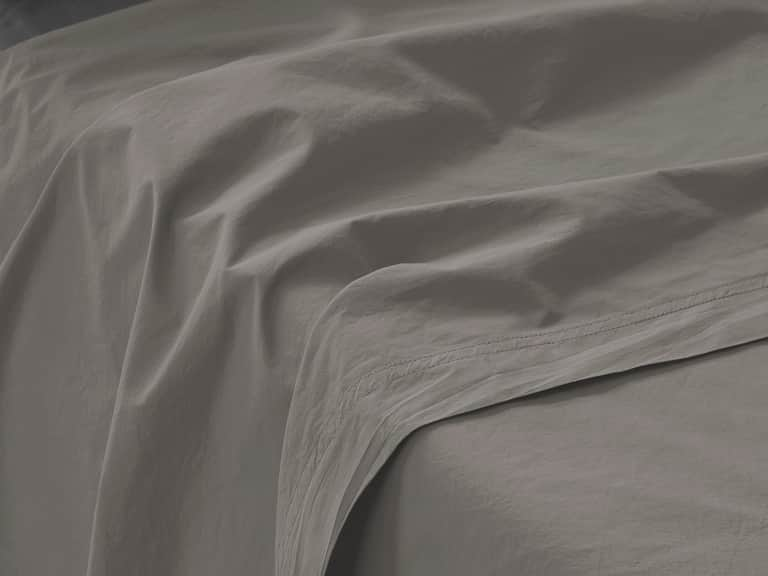
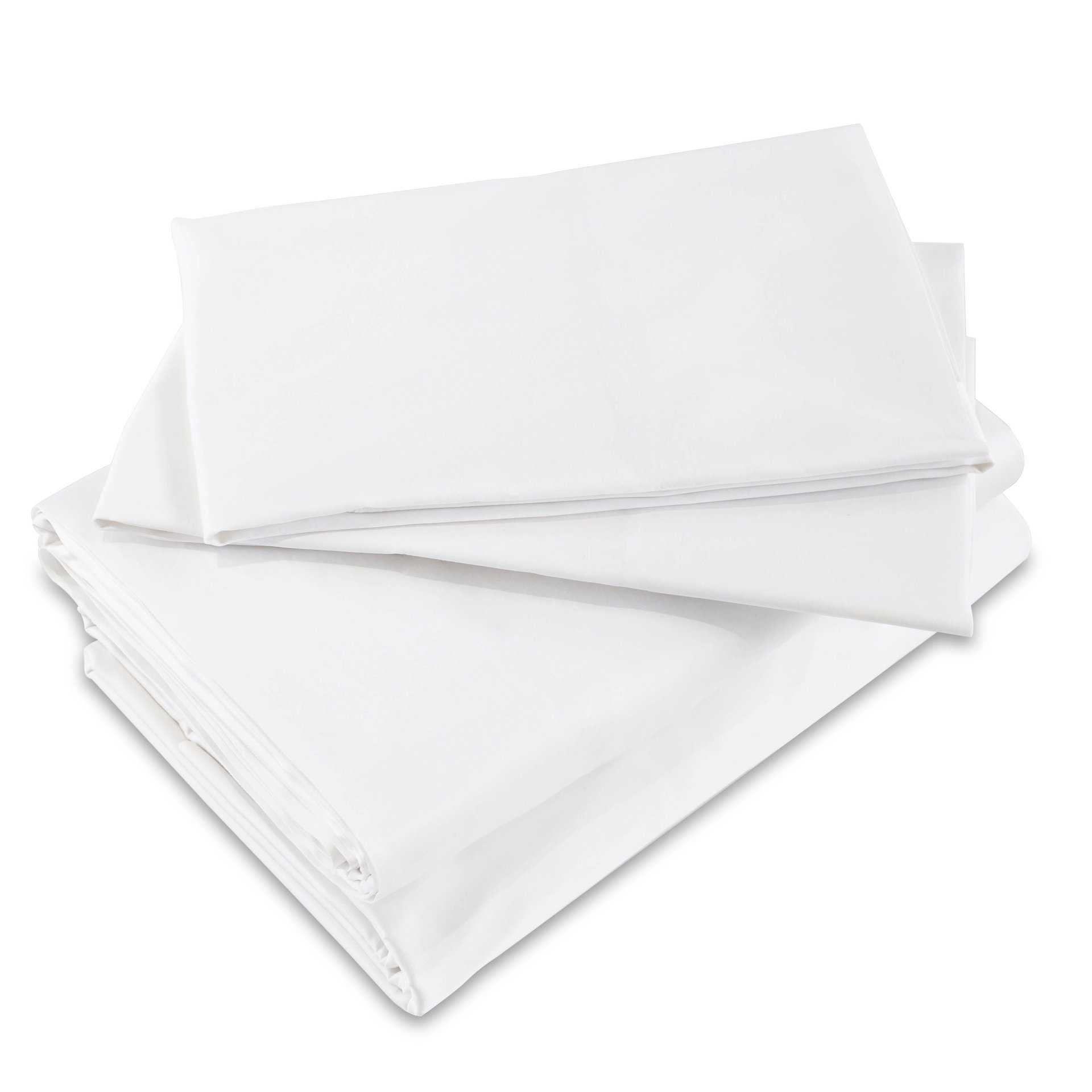
Product highlight: Nite Flat Sheets by Society Limonta (5382) – a premium example of extrafine cotton that pairs with hotel aesthetics through a crisp, lightweight finish. While not a sham itself, this sheet set complements the sham’s hand and drape, completing a hotel-ready bed ensemble.
Display image (product):
Images displayed here are representative of the product line.
Conclusion: A Cohesive Identity for Hotelsheets.info
Hotelsheets.info, as an editorial home for hospitality textiles and operational guides, seeks to illuminate how pillow shams—though small in size—play a powerful role in shaping guest perception and hotel efficiency. By highlighting materials, construction details, and care strategies, we help hoteliers and hospitality students select durable options and maintain a pristine, hotel-grade presentation across property portfolios. The three archetypes of the past, present, and a future of care—coupled with a deliberately curated product set like the Nite Flat Sheets—offer a practical lens through which to view every sham, duvet cover, or pillow insert that graces a bed in a guest room.
As a non-commercial information hub, Hotelsheets.info invites readers to engage with resources, templates, and industry standards that support learning and professional growth. The journey toward a consistently excellent guest experience is ongoing, but with careful material choices, thoughtful design, and disciplined maintenance, every bed becomes a canvas for hospitality excellence.
Experience ultra-smooth, lightweight comfort with 100% extrafine cotton sheets that feel dreamy against the skin, dry fast, and never need ironing—perfect for easy, everyday luxury and effortless mixing with your decor.
Experience cool, crisp comfort with 100% cotton percale—breathable, year-round relief, and a hotel-like feel. Subtle stitched details add polish, handcrafted for lasting quality, while it softens with every wash for effortless elegance.
Experience silky softness and lasting durability with Italian-made, 600-thread-count SUPIMA sheets that feel smooth to the touch and resist pilling, giving your bed a refined, minimalist look night after night.